The Strait That Changed the World
From the myth of Io to the Fall of Constantinople, the Bosphorus has been the stage for history's greatest dramas.
Mục lục
Mythology and the 'Cow Passage'
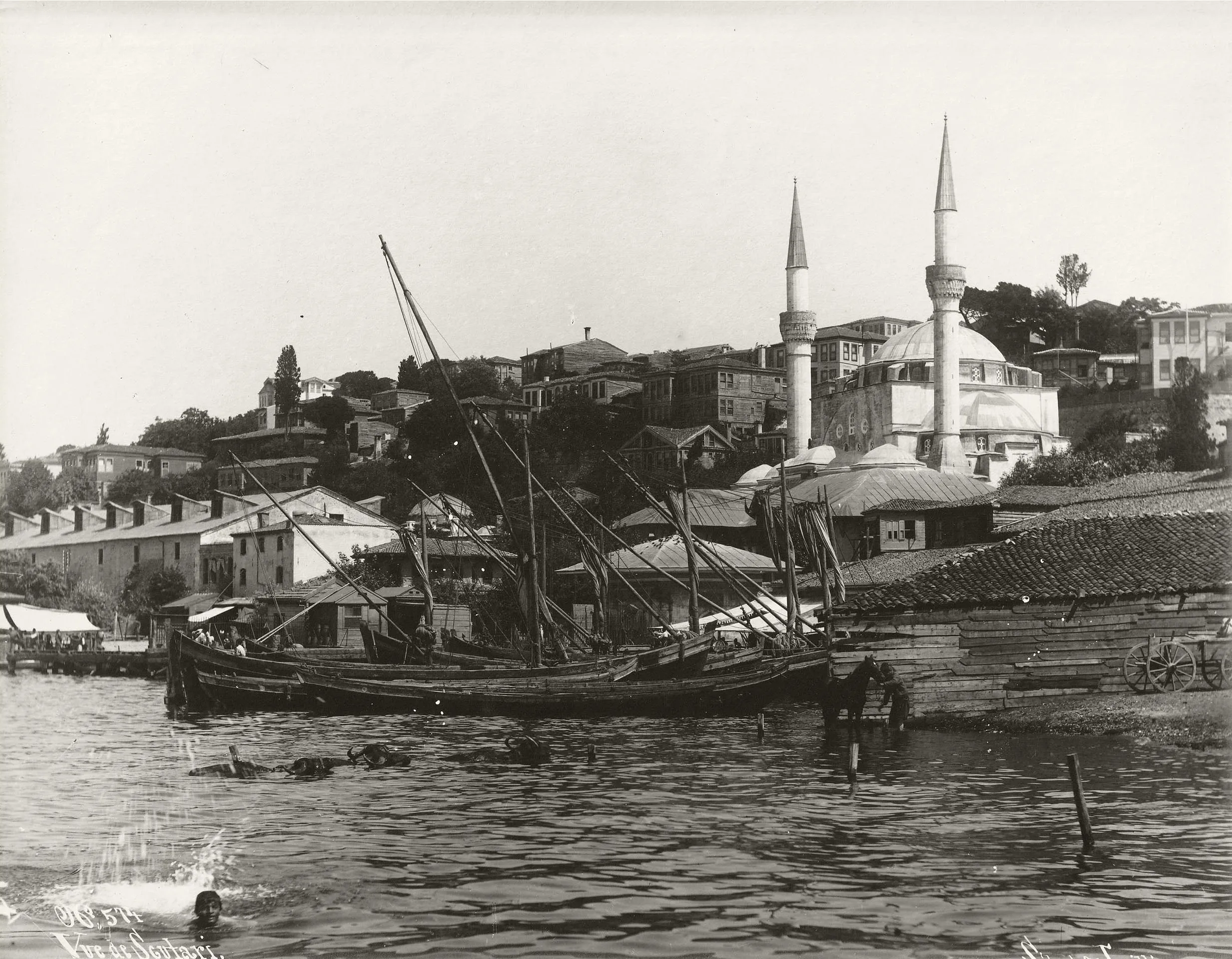
The very name 'Bosphorus' is steeped in ancient Greek mythology, translating to 'Cow Passage' or 'Ox Ford' (bous = ox, poros = passage). The legend tells of Io, a priestess and lover of Zeus, who was transformed into a cow by Zeus to hide her from his jealous wife, Hera. Hera, not fooled, sent a gadfly to torment Io, chasing her across the world. It was here, at this narrow strait, that Io plunged into the water to cross from Europe to Asia, giving the waterway its enduring name.
This mythological beginning sets the tone for a place that has always been a point of transit, a barrier to be crossed, and a meeting point of worlds. Ancient mariners viewed the strait with mix of fear and reverence, navigating its treacherous currents which were often personified as clashing rocks (the Symplegades) that would crush any ship attempting to pass. It was Jason and the Argonauts who, according to legend, first successfully navigated these waters in their quest for the Golden Fleece, opening the Black Sea to Greek trade and colonization.
Byzantium and the Naval Defense
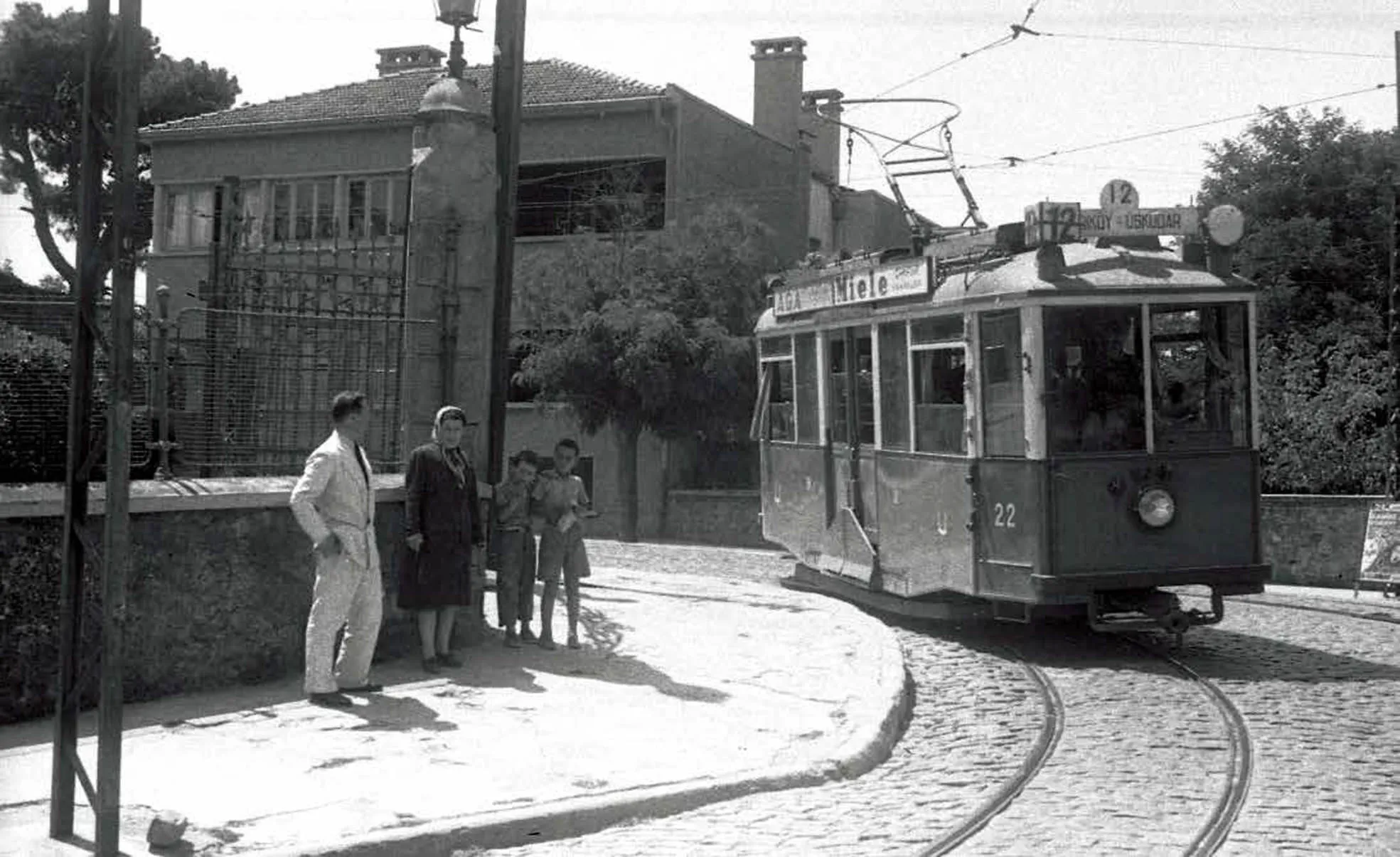
For the city of Byzantium (later Constantinople), the Bosphorus was both its greatest asset and its greatest vulnerability. The strait provided a commercial lifeline, taxing ships passing between the grain-rich Black Sea and the Mediterranean. This control of trade made the city fabulously wealthy. However, it also meant that enemies could approach by sea. The Byzantines were masters of naval defense, using the swift currents to their favor.
They developed 'Greek Fire,' a mysterious incendiary weapon that could be projected from ships to burn enemy vessels even on water. The sea walls of Constantinople were built to defend against attacks from the Bosphorus side, though the currents themselves often made landing large fleets difficult. The strategic value of this narrow strip of water meant that whoever controlled the Bosphorus effectively controlled the economy of the known world.
The Chain of the Golden Horn
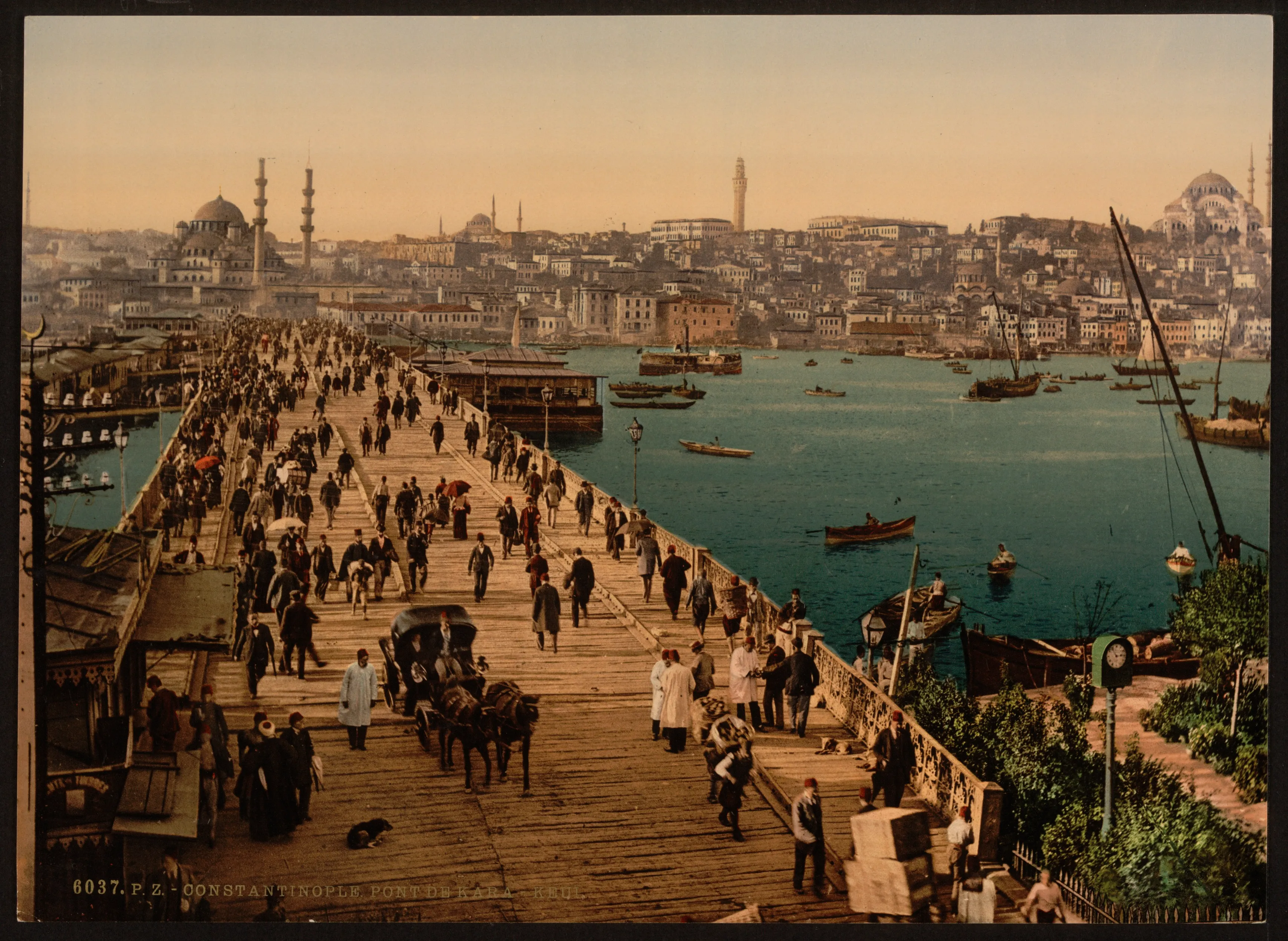
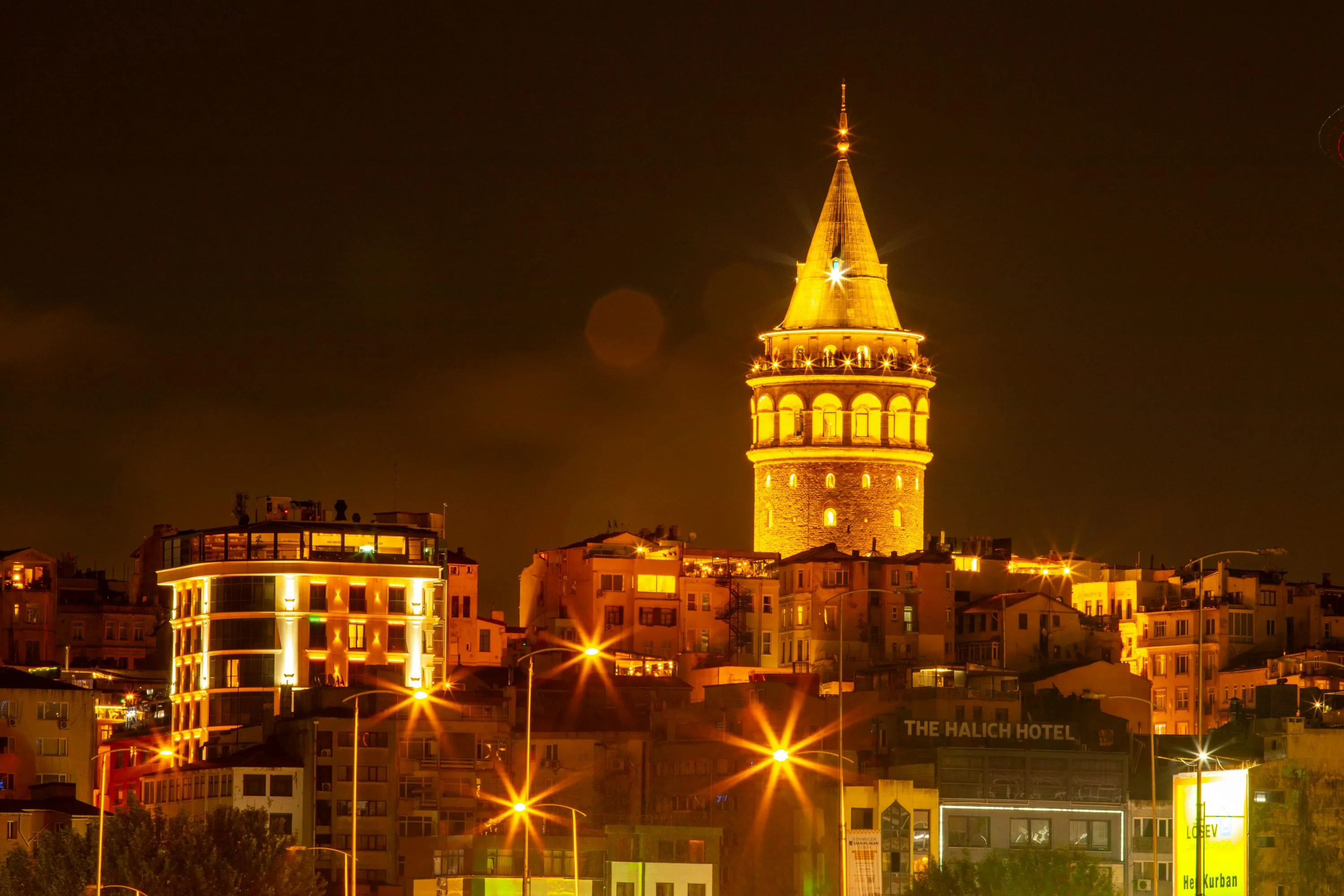
Just off the main Bosphorus current lies the Golden Horn, a natural inlet that served as the Empire's primary harbor. To protect their fleet, the Byzantines devised an ingenious defense: a massive iron chain that could be pulled across the mouth of the estuary from Constantinople to the tower of Galata on the northern side. This chain physically prevented enemy ships from entering the harbor.
Several times in history, this chain saved the city. Most famously, during the siege of 1453, it successfully blocked the Ottoman navy. However, the Ottoman Sultan Mehmed II, in a feat of military genius and sheer determination, bypassed the chain by ordering his ships to be rolled overland on greased logs behind the Galata colony, launching them into the Golden Horn from the inner shore—a shock maneuver that demoralized the defenders and helped lead to the city's fall.
The Ottoman Conquest & The Fortresses
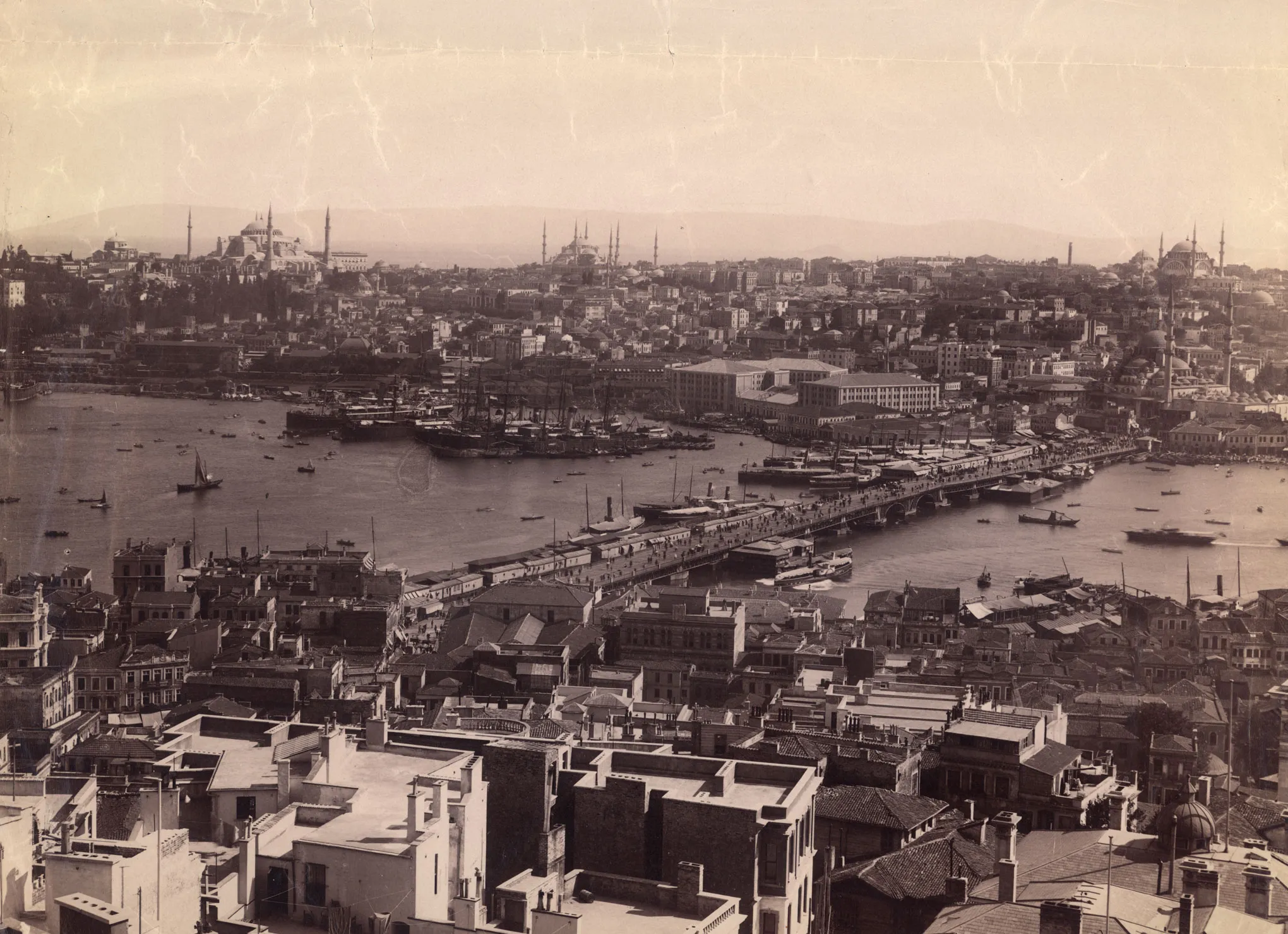
Before the final siege of Constantinople, the Ottomans understood they needed to control the Bosphorus traffic to cut off Byzantine supplies. In 1395, Sultan Bayezid I built Anadolu Hisarı (Anatolian Fortress) on the Asian bank. Decades later, in 1452, his great-grandson Mehmed II built the imposing Rumeli Hisarı (Rumeli Fortress) directly opposite it on the European side, at the strait's narrowest point.
Completed in a record four months, Rumeli Hisarı was known as the 'Throat Cutter' (Boğazkesen). Its massive cannons could sink any ship that refused to pay toll or surrender. Today, as you cruise past these stone giants, you are looking at the very military chokehold that ended the Roman Empire and birthed the Ottoman era. The proximity of the two fortresses highlights just how narrow—and dangerous—the passage could be for hostile ships.
Waterside Mansions: The Era of Tulips
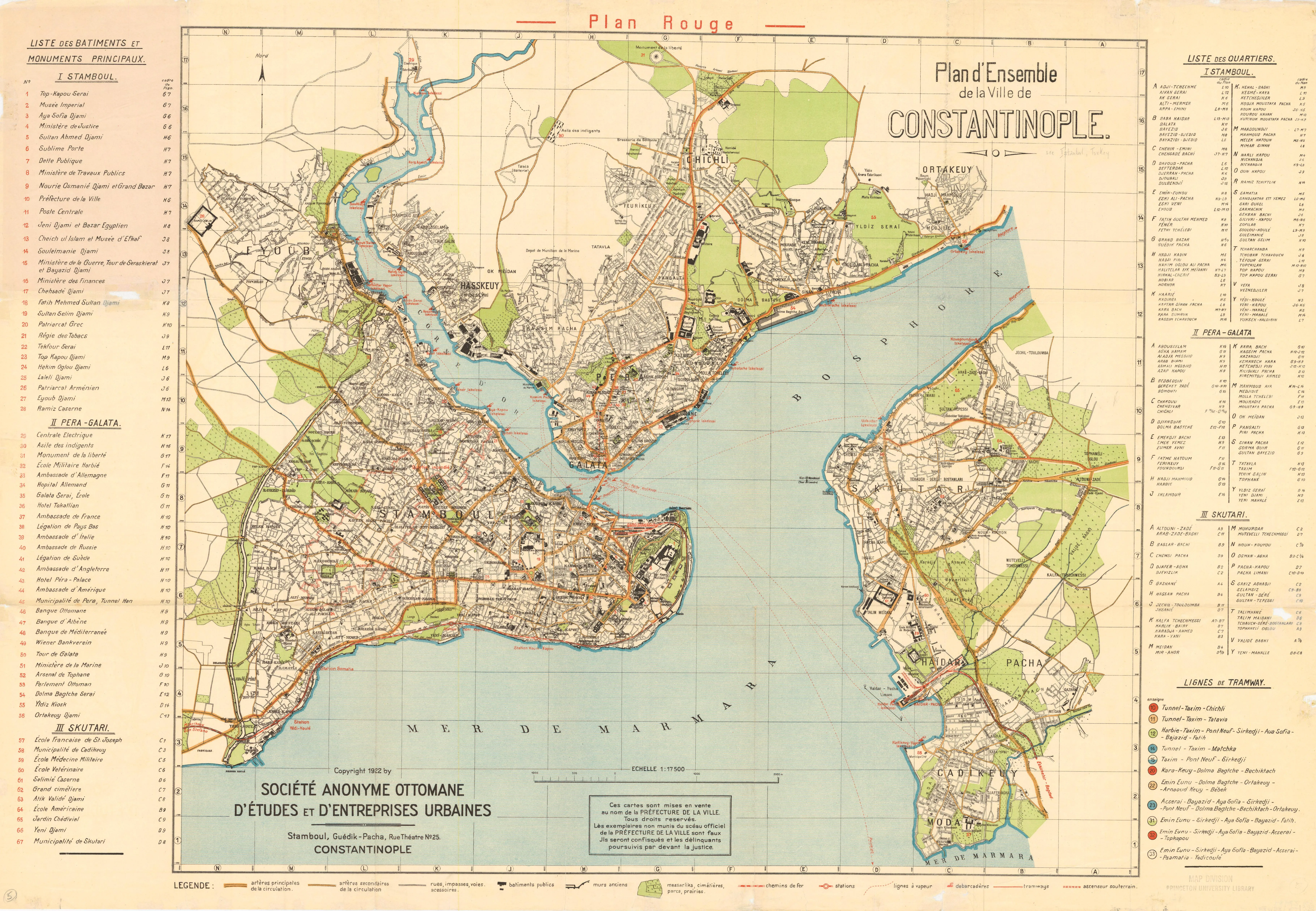
Once the Ottomans secured the region, the Bosphorus transformed from a military frontier into a leisure retreat for the elite. During the 'Tulip Era' of the 18th century, a period of relative peace and artistic flourishing, wealthy Pashas and grand viziers began building intricate wooden summer houses called 'Yalı' right on the water's edge. These mansions were designed to catch the breeze and enjoy the view.
A Bosphorus cruise is the only way to truly appreciate these architectural gems. Many have burned down or been lost to time, but the survivors—painted in distinct deep reds, ochres, and whites—still line the shores of neighborhoods like Yeniköy and Kandilli. They represent a uniquely Istanbulite lifestyle, where the water laps against the living room walls and boats are parked like cars in a driveway. Today, they are among the most expensive real estate properties in the world.
Dolmabahçe: The Palace on the Water
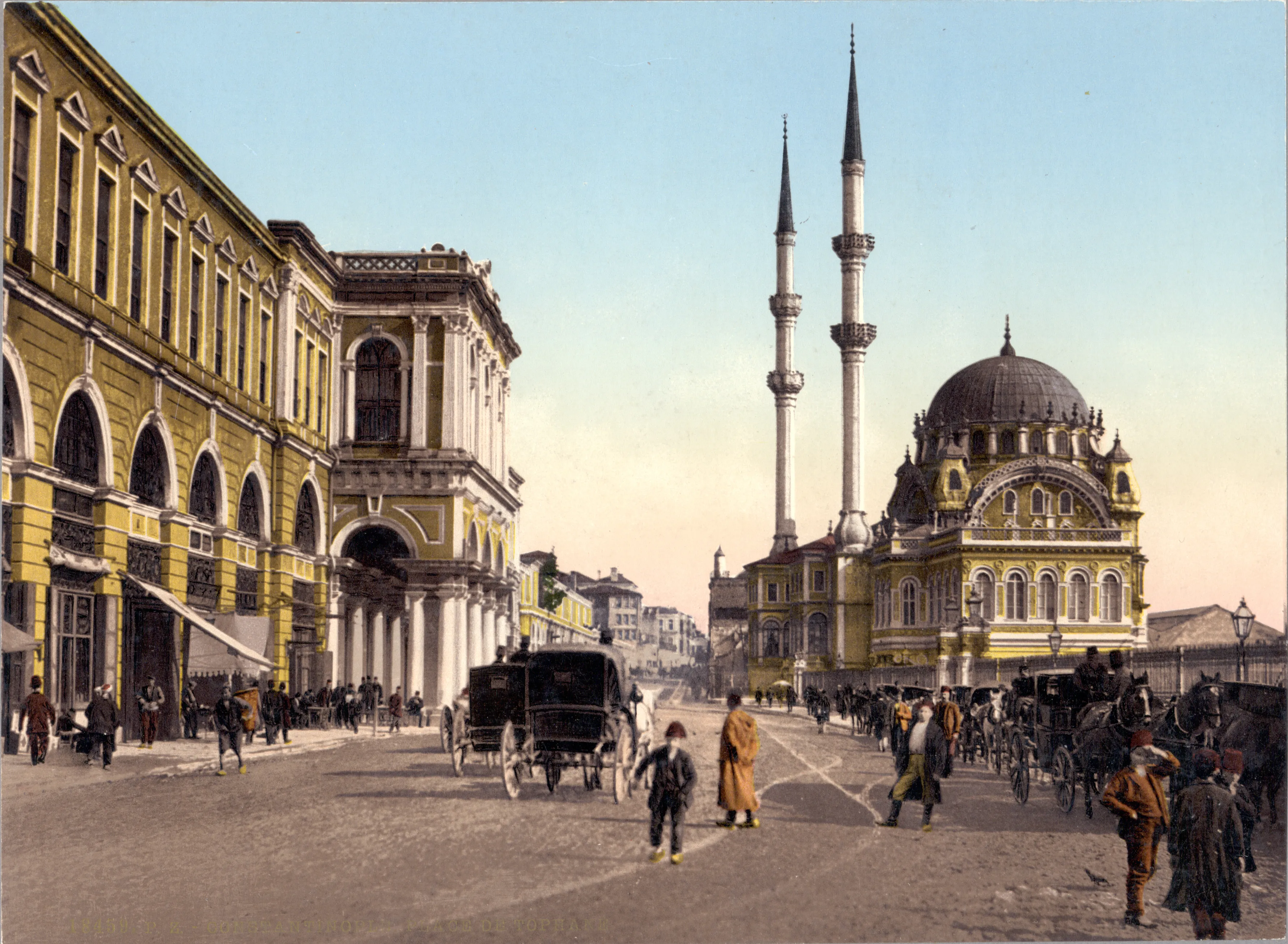
In the 19th century, the Ottoman Sultans decided to move out of the medieval Topkapı Palace and build a modern residence that could rival the monarchies of Europe. The result was Dolmabahçe Palace, a colossal structure built on reclaimed land along the Bosphorus (Dolmabahçe means 'Filled Garden'). Its location on the water was symbolic of the Empire's new outward-looking orientation.
The palace façade stretches 600 meters along the strait, adorned with white marble and neoclassical details. It was designed to be approached by sea; foreign dignitaries and royalty would arrive by boat at the Imperial Gate. Seeing Dolmabahçe from the deck of a cruise ship gives you the intended imperial perspective—a display of wealth, power, and elegance meant to impress visitors arriving from across the waves.
Modern Engineering: Bridging the Divide
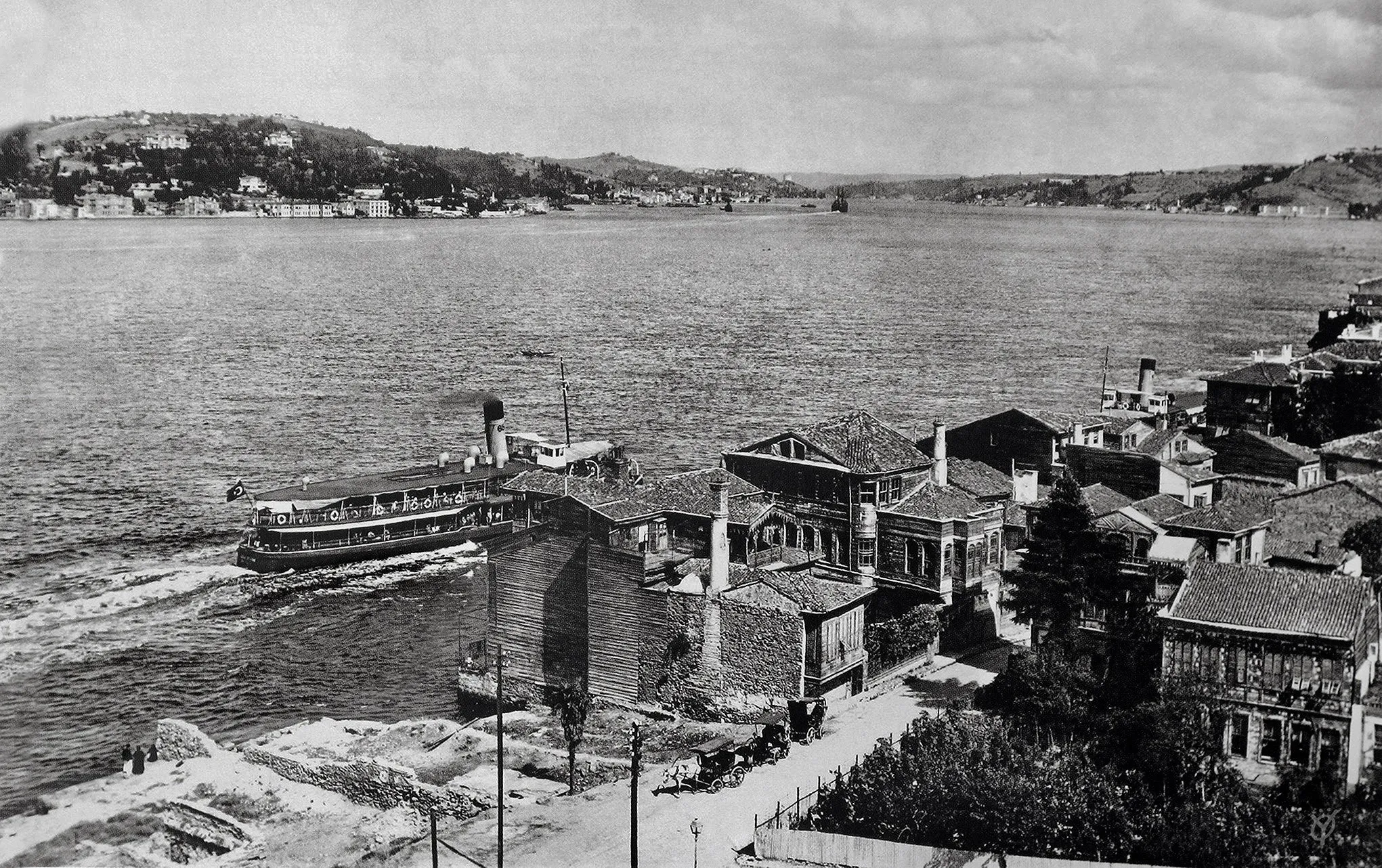
For thousands of years, the only way to cross the Bosphorus was by boat. It wasn't until 1973, coincidentally the 50th anniversary of the Turkish Republic, that the first Bosphorus Bridge (now the 15 July Martyrs Bridge) was opened, physically connecting Europe and Asia with steel and asphalt. It was a momentous engineering achievement that changed the city forever.
Today, three suspension bridges span the strait. Passing under them on a boat offers a dizzying sense of scale. You can hear the hum of traffic high above you as commuters travel between continents. These bridges have become icons of Istanbul's modern identity, illuminated at night with LED light shows that reflect beautifully on the dark water, symbolizing the connection between East and West.
Maritime Traffic & Strategic Importance
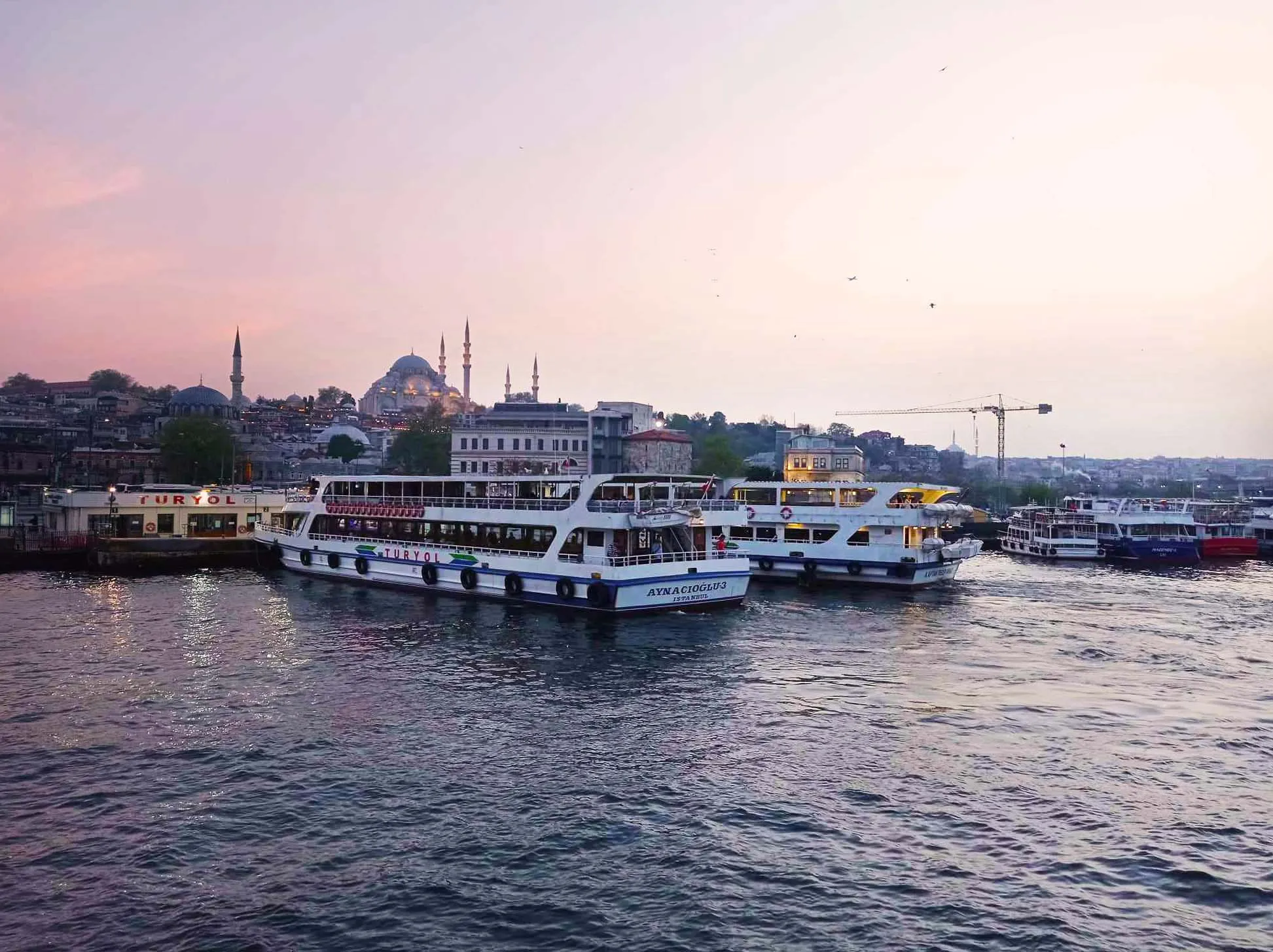
The Bosphorus remains one of the busiest waterways in the world. It is the only outlet for Bulgaria, Romania, Ukraine, Georgia, and Russia to reach the Mediterranean. As you cruise, you will likely share the channel with massive oil tankers, container ships, and Russian naval vessels. Navigating these waters requires expert pilots, as the currents are strong and the S-shaped channel has sharp, blind turns.
The juxtaposition of a tiny fishing boat or a tourist ferry bobbing in the wake of a 300-meter-long tanker is a striking sight. It reminds us that despite its beauty and history, the Bosphorus is a working highway of global commerce, governed by the Montreux Convention which ensures free passage for civilian vessels—a geopolitical lifeline that keeps the strait globally relevant.
The Bosphorus in Literature & Art
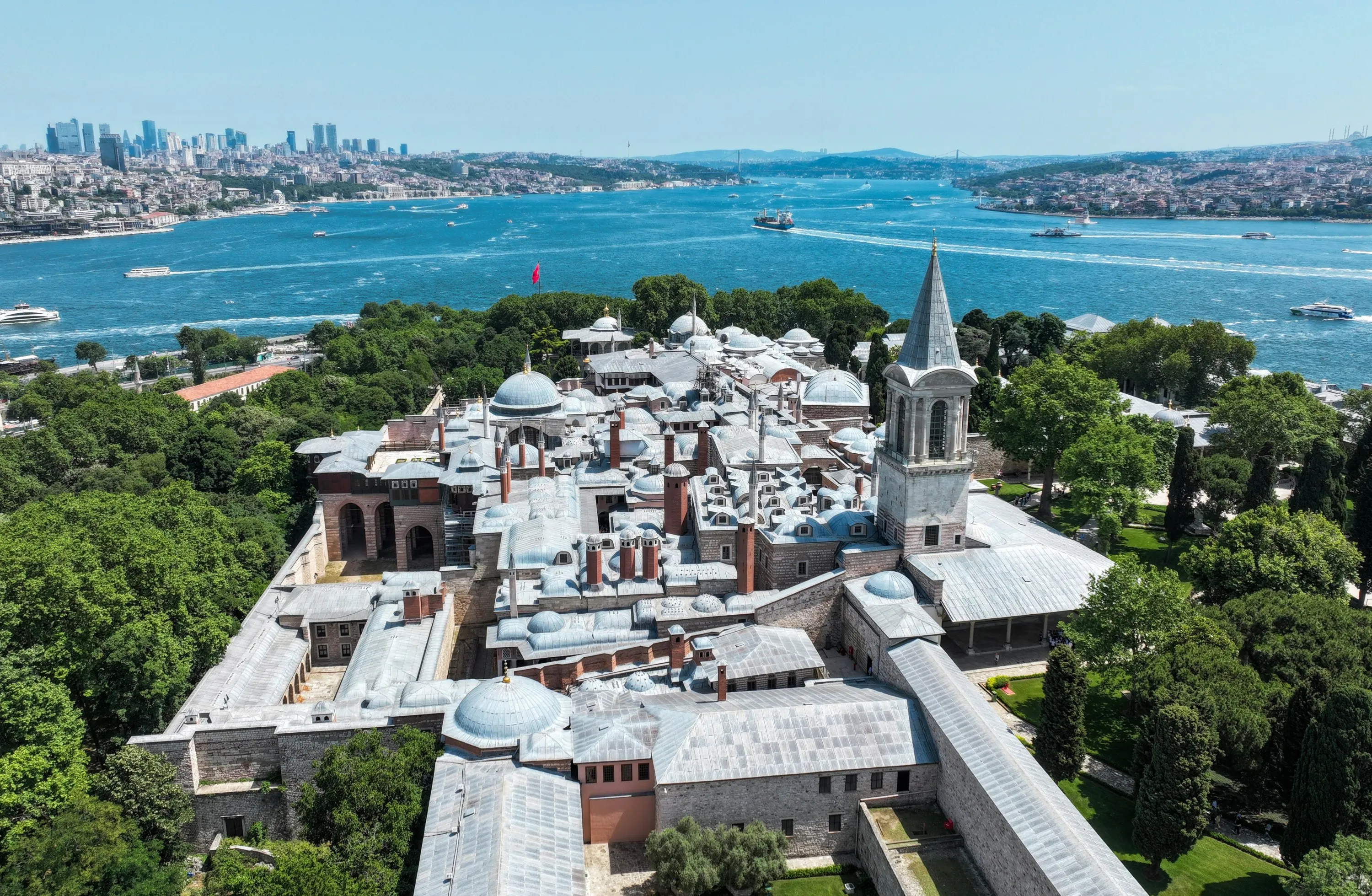
Writers, poets, and painters have long been captivated by the Bosphorus. Orhan Pamuk, Turkey's Nobel Prize-winning author, writes extensively about the 'hüzün' (melancholy) of the Bosphorus in his memoirs. He describes gazing at the dark waters and the passing ships as a central part of the Istanbul soul. 19th-century Orientalist painters depicted it as a dreamscape of caiques and minarets.
On your cruise, you enter this artistic landscape. The changing colors of the water—from deep turquoise (the color 'turquoise' comes from 'Turk') to steely grey—and the misty mornings have inspired countless songs and poems. It is a place of romance and longing, where lovers meet and where the stressed city dweller comes to find peace in the rhythmic movement of the sea.
Ecological Wonders of the Strait
The Bosphorus is a unique biological corridor. It connects the salty, warm Mediterranean waters with the fresher, cooler Black Sea waters. This creates a two-way current system: a surface current flowing towards the Marmara, and a deep undercurrent flowing towards the Black Sea. This dynamic environment supports a surprising amount of marine life.
Keep your eyes peeled! It is very common to see pods of bottlenose or common dolphins frolicking in the strait, sometimes racing alongside the ferries. During migration seasons, thousands of seabirds, including shearwaters and cormorants, fly low over the water. The Bosphorus is also a major migration route for fish like bluefish (lüfer) and bonito (palamut), which are staples of Istanbul's culinary culture.
Life on the Water Today
For millions of Istanbulites, the Bosphorus is not a tourist attraction but a daily commute. The 'vapur' (ferry) is the most beloved form of public transport. Commuters sip tea and read newspapers as they cross from Asia to Europe, feeding simit (sesame bread) to the seagulls that trail every boat. It is a social rituals, a pause in the chaotic urban rush.
In summer, the shores are packed with locals swimming (often in unauthorized spots!), fishing, or dining at the fish restaurants that line the coast from Ortaköy to Sarıyer. Private yachts anchor in secluded coves like Bebek for weekend parties. The strait is alive, accessible, and deeply integrated into the daily rhythm of the city's inhabitants.
The Future of the Strait
As Istanbul grows diverse challenges face the Bosphorus. Pollution, heavy tanker traffic, and urbanization are constant threats. Projects like the 'Canal Istanbul'—a proposed artificial waterway to bypass the Bosphorus—are subjects of intense debate regarding their environmental impact. Conservation efforts are ongoing to protect the historical Yalı mansions and the marine ecosystem.
Yet, the Bosphorus endures. Strict laws now protect the shoreline views, ensuring that the silhouette of the city remains somewhat preserved. As you ride the ferry, you aren't just watching history; you are witnessing the ongoing struggle to balance heritage with modernity in one of the world's most dynamic megalopolises.
Enduring Legend
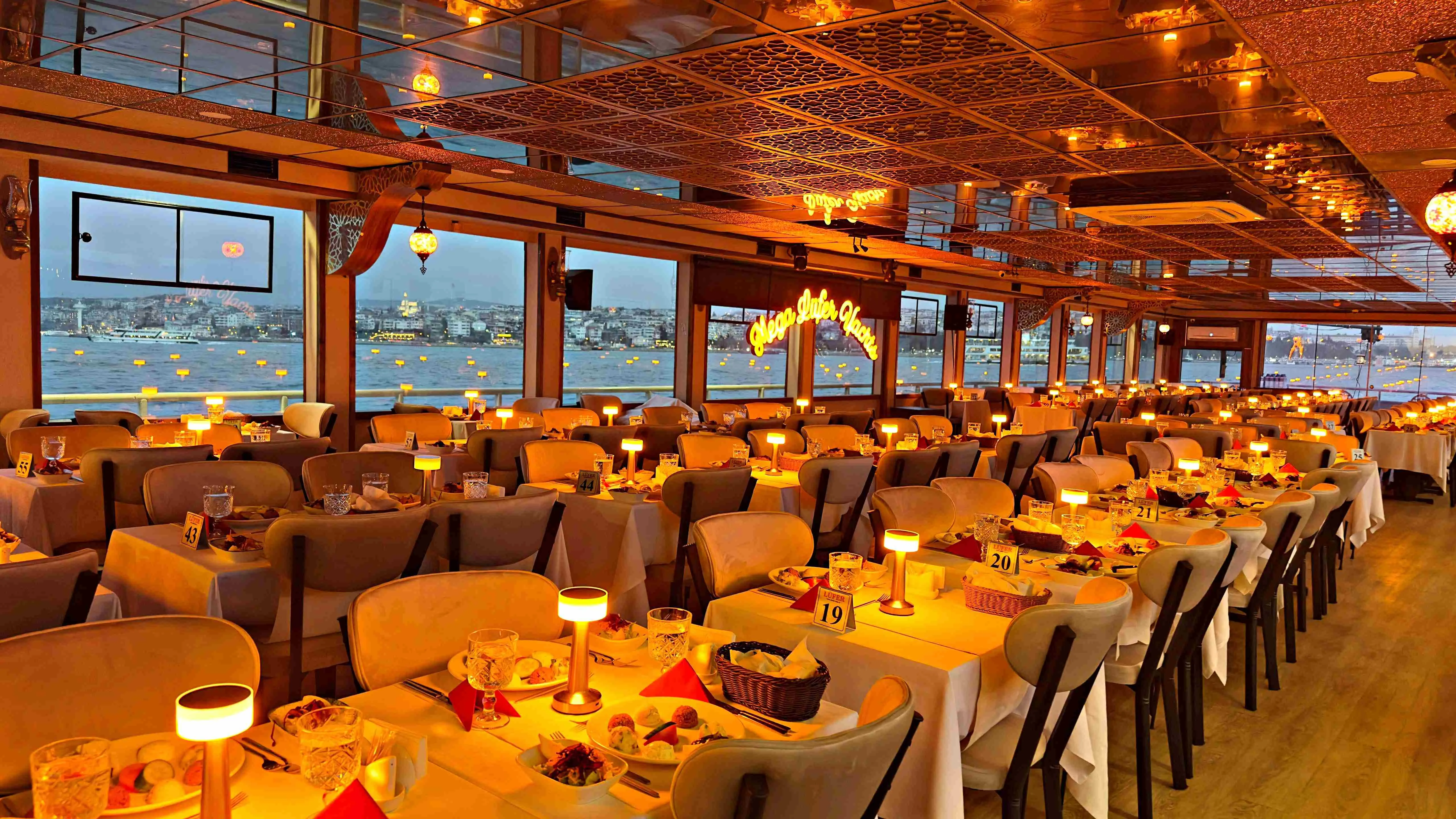
Long after you leave Istanbul, the memory of the Bosphorus will likely stay with you. It might be the call of the muezzin drifting across the water at dusk, the taste of salty air, or the sight of a massive moon rising over the Asian hills.
The Bosphorus is the thread that binds the city's disparate parts together. It is a boundary that does not divide, but rather invites crossing. To understand Istanbul, one must understand this water. A cruise is just the introduction, but it is an introduction that reveals the very heart of the city.
Mục lục
Mythology and the 'Cow Passage'
The very name 'Bosphorus' is steeped in ancient Greek mythology, translating to 'Cow Passage' or 'Ox Ford' (bous = ox, poros = passage). The legend tells of Io, a priestess and lover of Zeus, who was transformed into a cow by Zeus to hide her from his jealous wife, Hera. Hera, not fooled, sent a gadfly to torment Io, chasing her across the world. It was here, at this narrow strait, that Io plunged into the water to cross from Europe to Asia, giving the waterway its enduring name.
This mythological beginning sets the tone for a place that has always been a point of transit, a barrier to be crossed, and a meeting point of worlds. Ancient mariners viewed the strait with mix of fear and reverence, navigating its treacherous currents which were often personified as clashing rocks (the Symplegades) that would crush any ship attempting to pass. It was Jason and the Argonauts who, according to legend, first successfully navigated these waters in their quest for the Golden Fleece, opening the Black Sea to Greek trade and colonization.
Byzantium and the Naval Defense
For the city of Byzantium (later Constantinople), the Bosphorus was both its greatest asset and its greatest vulnerability. The strait provided a commercial lifeline, taxing ships passing between the grain-rich Black Sea and the Mediterranean. This control of trade made the city fabulously wealthy. However, it also meant that enemies could approach by sea. The Byzantines were masters of naval defense, using the swift currents to their favor.
They developed 'Greek Fire,' a mysterious incendiary weapon that could be projected from ships to burn enemy vessels even on water. The sea walls of Constantinople were built to defend against attacks from the Bosphorus side, though the currents themselves often made landing large fleets difficult. The strategic value of this narrow strip of water meant that whoever controlled the Bosphorus effectively controlled the economy of the known world.
The Chain of the Golden Horn
Just off the main Bosphorus current lies the Golden Horn, a natural inlet that served as the Empire's primary harbor. To protect their fleet, the Byzantines devised an ingenious defense: a massive iron chain that could be pulled across the mouth of the estuary from Constantinople to the tower of Galata on the northern side. This chain physically prevented enemy ships from entering the harbor.
Several times in history, this chain saved the city. Most famously, during the siege of 1453, it successfully blocked the Ottoman navy. However, the Ottoman Sultan Mehmed II, in a feat of military genius and sheer determination, bypassed the chain by ordering his ships to be rolled overland on greased logs behind the Galata colony, launching them into the Golden Horn from the inner shore—a shock maneuver that demoralized the defenders and helped lead to the city's fall.
The Ottoman Conquest & The Fortresses
Before the final siege of Constantinople, the Ottomans understood they needed to control the Bosphorus traffic to cut off Byzantine supplies. In 1395, Sultan Bayezid I built Anadolu Hisarı (Anatolian Fortress) on the Asian bank. Decades later, in 1452, his great-grandson Mehmed II built the imposing Rumeli Hisarı (Rumeli Fortress) directly opposite it on the European side, at the strait's narrowest point.
Completed in a record four months, Rumeli Hisarı was known as the 'Throat Cutter' (Boğazkesen). Its massive cannons could sink any ship that refused to pay toll or surrender. Today, as you cruise past these stone giants, you are looking at the very military chokehold that ended the Roman Empire and birthed the Ottoman era. The proximity of the two fortresses highlights just how narrow—and dangerous—the passage could be for hostile ships.
Waterside Mansions: The Era of Tulips
Once the Ottomans secured the region, the Bosphorus transformed from a military frontier into a leisure retreat for the elite. During the 'Tulip Era' of the 18th century, a period of relative peace and artistic flourishing, wealthy Pashas and grand viziers began building intricate wooden summer houses called 'Yalı' right on the water's edge. These mansions were designed to catch the breeze and enjoy the view.
A Bosphorus cruise is the only way to truly appreciate these architectural gems. Many have burned down or been lost to time, but the survivors—painted in distinct deep reds, ochres, and whites—still line the shores of neighborhoods like Yeniköy and Kandilli. They represent a uniquely Istanbulite lifestyle, where the water laps against the living room walls and boats are parked like cars in a driveway. Today, they are among the most expensive real estate properties in the world.
Dolmabahçe: The Palace on the Water
In the 19th century, the Ottoman Sultans decided to move out of the medieval Topkapı Palace and build a modern residence that could rival the monarchies of Europe. The result was Dolmabahçe Palace, a colossal structure built on reclaimed land along the Bosphorus (Dolmabahçe means 'Filled Garden'). Its location on the water was symbolic of the Empire's new outward-looking orientation.
The palace façade stretches 600 meters along the strait, adorned with white marble and neoclassical details. It was designed to be approached by sea; foreign dignitaries and royalty would arrive by boat at the Imperial Gate. Seeing Dolmabahçe from the deck of a cruise ship gives you the intended imperial perspective—a display of wealth, power, and elegance meant to impress visitors arriving from across the waves.
Modern Engineering: Bridging the Divide
For thousands of years, the only way to cross the Bosphorus was by boat. It wasn't until 1973, coincidentally the 50th anniversary of the Turkish Republic, that the first Bosphorus Bridge (now the 15 July Martyrs Bridge) was opened, physically connecting Europe and Asia with steel and asphalt. It was a momentous engineering achievement that changed the city forever.
Today, three suspension bridges span the strait. Passing under them on a boat offers a dizzying sense of scale. You can hear the hum of traffic high above you as commuters travel between continents. These bridges have become icons of Istanbul's modern identity, illuminated at night with LED light shows that reflect beautifully on the dark water, symbolizing the connection between East and West.
Maritime Traffic & Strategic Importance
The Bosphorus remains one of the busiest waterways in the world. It is the only outlet for Bulgaria, Romania, Ukraine, Georgia, and Russia to reach the Mediterranean. As you cruise, you will likely share the channel with massive oil tankers, container ships, and Russian naval vessels. Navigating these waters requires expert pilots, as the currents are strong and the S-shaped channel has sharp, blind turns.
The juxtaposition of a tiny fishing boat or a tourist ferry bobbing in the wake of a 300-meter-long tanker is a striking sight. It reminds us that despite its beauty and history, the Bosphorus is a working highway of global commerce, governed by the Montreux Convention which ensures free passage for civilian vessels—a geopolitical lifeline that keeps the strait globally relevant.
The Bosphorus in Literature & Art
Writers, poets, and painters have long been captivated by the Bosphorus. Orhan Pamuk, Turkey's Nobel Prize-winning author, writes extensively about the 'hüzün' (melancholy) of the Bosphorus in his memoirs. He describes gazing at the dark waters and the passing ships as a central part of the Istanbul soul. 19th-century Orientalist painters depicted it as a dreamscape of caiques and minarets.
On your cruise, you enter this artistic landscape. The changing colors of the water—from deep turquoise (the color 'turquoise' comes from 'Turk') to steely grey—and the misty mornings have inspired countless songs and poems. It is a place of romance and longing, where lovers meet and where the stressed city dweller comes to find peace in the rhythmic movement of the sea.
Ecological Wonders of the Strait
The Bosphorus is a unique biological corridor. It connects the salty, warm Mediterranean waters with the fresher, cooler Black Sea waters. This creates a two-way current system: a surface current flowing towards the Marmara, and a deep undercurrent flowing towards the Black Sea. This dynamic environment supports a surprising amount of marine life.
Keep your eyes peeled! It is very common to see pods of bottlenose or common dolphins frolicking in the strait, sometimes racing alongside the ferries. During migration seasons, thousands of seabirds, including shearwaters and cormorants, fly low over the water. The Bosphorus is also a major migration route for fish like bluefish (lüfer) and bonito (palamut), which are staples of Istanbul's culinary culture.
Life on the Water Today
For millions of Istanbulites, the Bosphorus is not a tourist attraction but a daily commute. The 'vapur' (ferry) is the most beloved form of public transport. Commuters sip tea and read newspapers as they cross from Asia to Europe, feeding simit (sesame bread) to the seagulls that trail every boat. It is a social rituals, a pause in the chaotic urban rush.
In summer, the shores are packed with locals swimming (often in unauthorized spots!), fishing, or dining at the fish restaurants that line the coast from Ortaköy to Sarıyer. Private yachts anchor in secluded coves like Bebek for weekend parties. The strait is alive, accessible, and deeply integrated into the daily rhythm of the city's inhabitants.
The Future of the Strait
As Istanbul grows diverse challenges face the Bosphorus. Pollution, heavy tanker traffic, and urbanization are constant threats. Projects like the 'Canal Istanbul'—a proposed artificial waterway to bypass the Bosphorus—are subjects of intense debate regarding their environmental impact. Conservation efforts are ongoing to protect the historical Yalı mansions and the marine ecosystem.
Yet, the Bosphorus endures. Strict laws now protect the shoreline views, ensuring that the silhouette of the city remains somewhat preserved. As you ride the ferry, you aren't just watching history; you are witnessing the ongoing struggle to balance heritage with modernity in one of the world's most dynamic megalopolises.
Enduring Legend
Long after you leave Istanbul, the memory of the Bosphorus will likely stay with you. It might be the call of the muezzin drifting across the water at dusk, the taste of salty air, or the sight of a massive moon rising over the Asian hills.
The Bosphorus is the thread that binds the city's disparate parts together. It is a boundary that does not divide, but rather invites crossing. To understand Istanbul, one must understand this water. A cruise is just the introduction, but it is an introduction that reveals the very heart of the city.